

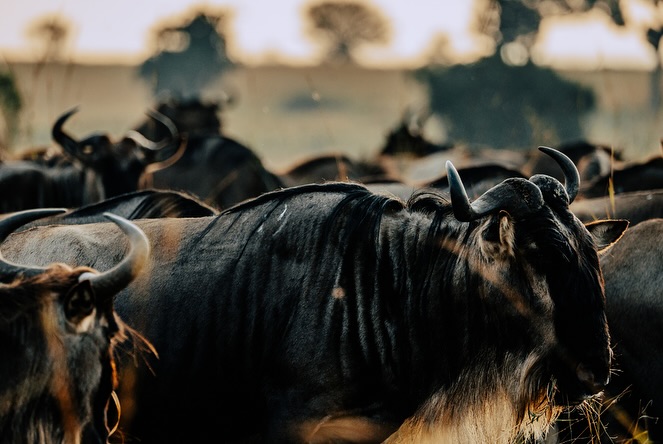
Northern Serengeti: Tanzania’s Most Dramatic Safari Destination
The northern region of Serengeti National Park represents one of the most compelling safari destinations in Africa. Characterized by rolling savannahs, riverine forests, and the iconic Mara River, this area offers a combination of high wildlife density and relative exclusivity. For travelers planning a safari in 2026, the Northern Serengeti stands out as the prime location to witness the most intense and visually striking phase of the Great Migration.
Unlike the more frequently visited central Serengeti, the northern remains less crowded, providing a more controlled and immersive wildlife viewing environment. The s remoteness enhances its appeal, particularly for travelers seeking a quieter, more focused safari experience without sacrificing biodiversity or action.
The Mara River Crossings: A Defining Experience
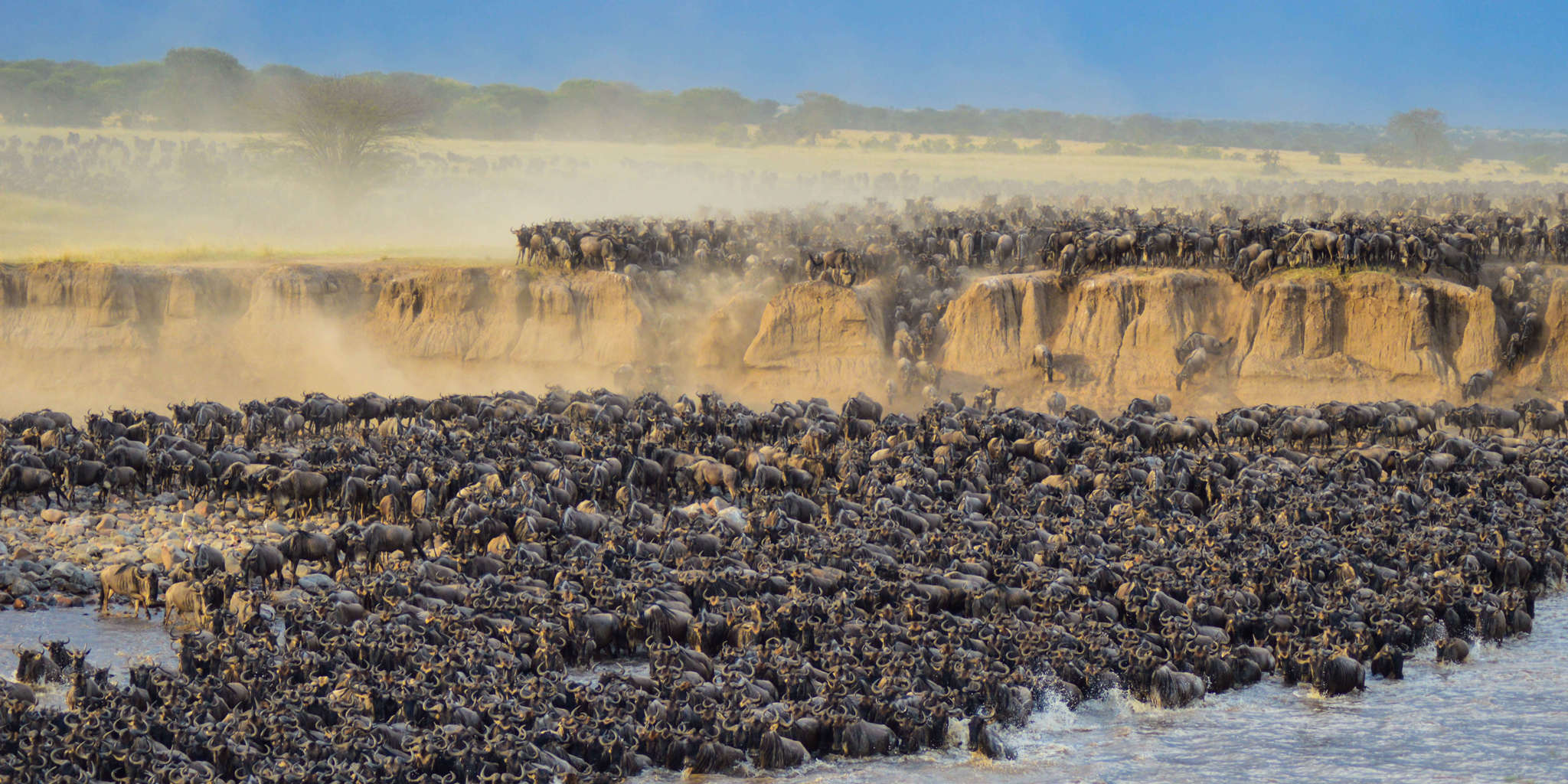
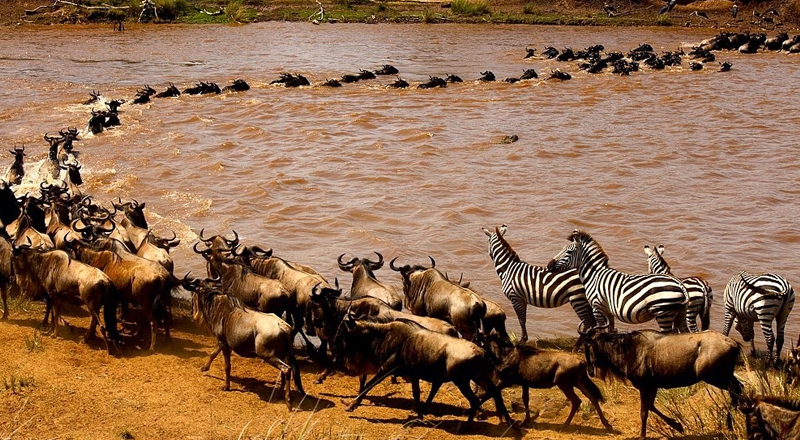
The Northern Serengeti is globally recognized for the Mara River crossings, one of the most dramatic wildlife events in the world. Each year, between approximately July and October, vast herds of wildebeest and zebras gather along the riverbanks as they attempt to cross into Kenya’s Maasai Mara in search of fresh grazing.
These crossings are unpredictable. Herds may wait for hours or even days before making the decision to cross. When they do, the movement is sudden and intense, with thousands of animals entering the water simultaneously. Strong currents, steep banks, and the presence of large crocodiles create a high-risk environment, making survival uncertain for many individuals.
From a safari perspective, this unpredictability is precisely what makes the experience valuable. Observing a crossing requires patience, positioning, and often multiple game drives. Experienced guides monitor herd behavior and movement patterns to increase the likelihood of being present at the right moment.
Wildlife Beyond the Migration
While the migration is the primary attraction, the Northern Serengeti supports a wide range of resident wildlife throughout the year. Lions are commonly observed in this region, often positioned near river crossings where prey density is high. Leopards inhabit the riverine forests, while cheetahs are more frequently seen in open grassland areas.
Elephants, giraffes, buffalo, and various antelope species contribute to the ecological diversity of the region. Birdlife is also significant, with numerous species found along the river systems and woodland This ensures that even outside peak migration months, the Northern Serengeti remains a viable and rewarding safari destination.
The presence of permanent water sources, particularly the Mara River, supports year-round wildlife activity. This differentiates the northern region from other parts of the Serengeti that rely more heavily on seasonal rainfall.
Landscape and Safari Experience
The landscape of the Northern Serengeti is distinct from the central and southern plains. It features undulating hills, scattered outcrops, dense vegetation near water sources, and expansive grasslands. This variation enhances both the visual experience and the range of habitats available for wildlife.
From a logistical standpoint, safaris in the northern region tend to be more exclusive. Accommodation is typically limited to smaller lodges and luxury tented camps, many of which are strategically positioned near key crossing points. This controlled development reduces vehicle density and contributes to a more refined safari atmosphere.
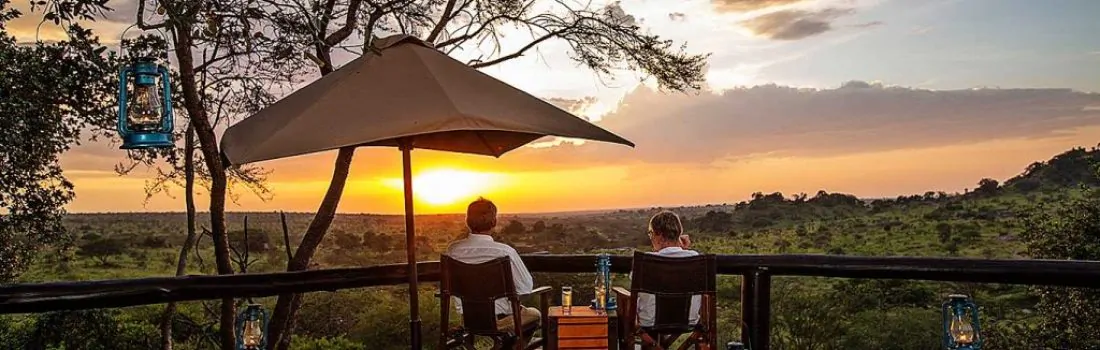
Game drives are conducted in designated, often with fewer vehicles competing for sightings compared to other high-traffic areas. This allows for longer observation periods and better photographic conditions.
Hot air balloon safaris are also available in select parts of the Northern Serengeti, offering an aerial perspective of the landscape and, when timing aligns, the migration itself.
Best Time to Visit Northern Serengeti in 2026
Timing is a critical factor when planning a visit to the Northern Serengeti. The peak period for migration activity typically occurs between July and October, when herds concentrate near the Mara River. During this time, the probability of witnessing river crossings is highest.
However, early June and late October can also be productive, depending on rainfall patterns and herd movement. Wildlife viewing remains strong throughout the year due to the presence of resident species and permanent water sources.
For 2026 travel planning, early booking is recommended. The limited number of camps in the Northern Serengeti means availability can be constrained, particularly during peak migration months.
Planning a Northern Serengeti Safari
Access to the Northern Serengeti is typically via small aircraft from Arusha or other regional airstrips, significantly reducing travel time compared to overland routes. This allows travelers to maximize time within the park itself.
Accommodation options range from high-end lodges to mobile tented camps that follow the migration. Mobile camps provide proximity to herd movement, while permanent lodges offer consistent comfort and infrastructure.
Professional guides are essential for navigating the المنطقة effectively. Their expertise in tracking wildlife, interpreting behavior, and understanding terrain directly impacts the quality of the safari experience. Private safaris are particularly advantageous in this region, offering flexibility in timing and movement.
Travelers should also consider integrating the Northern Serengeti into a broader northern Tanzania itinerary, combining it with destinations such as Ngorongoro Crater or Tarangire National Park to create a comprehensive safari experience.
Conclusion: A High-Value Safari Destination
The Northern Serengeti represents the most intense and visually compelling phase of the Great Migration, combined with a level of exclusivity that is increasingly rare in major wildlife destinations. Its combination of dramatic river crossings, diverse resident wildlife, and varied landscapes makes it a critical component of any high-quality Tanzania safari itinerary.
For 2026, travelers seeking a focused, high-impact wildlife experience will find the Northern Serengeti to be one of the most strategically valuable destinations within Serengeti National Park. With proper planning and expert guidance, it offers a safari experience defined by scale, unpredictability, and ecological significance.
Our unique travel experience designed for you
Contact Us for the Best Choice of Your Safari